
How Do You Know If You Overpaid for a House in Melbourne—and What Are Your Real Options?

Think you overpaid for a Melbourne house? Compare your purchase with genuinely comparable local sales, the circumstances of the transaction and current market evidence before deciding whether to hold, renovate or sell.
Worrying that you overpaid for a house in Melbourne is best tested against data, not the feeling itself. Compare your purchase price with genuinely comparable sales in your specific pocket from around the same period, rather than relying on a Melbourne-wide median that blends very different local markets.
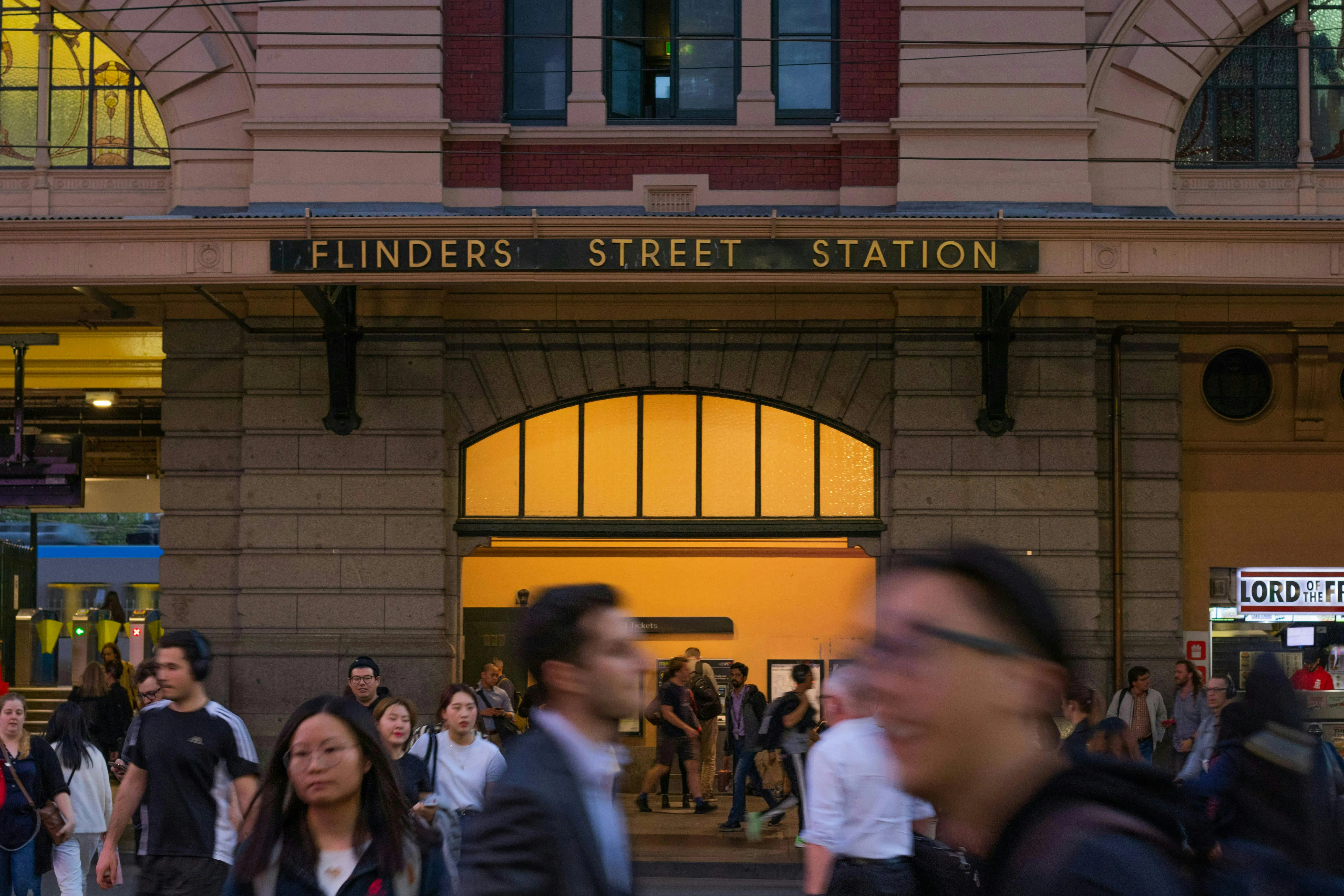
The Melbourne property market is now in a genuine correction. Cotality reported that housing values fell across most capital-city suburbs through winter 2026, while Westpac's analysis of August data put Melbourne dwelling values 4.7% lower than a year earlier. NAB's September Housing Monitor reported Melbourne values about 6.5% below their recent peak.
That does not automatically mean you personally overpaid. The result depends on when you bought, the suburb, land size, property type, condition and how much competition existed when you purchased. For an owner who is not forced to sell, a fall in estimated value is also an unrealised paper loss rather than a realised financial loss.
How to Actually Tell If You Overpaid
Start with three to five genuinely comparable properties: ideally the same suburb or immediate area, with similar land size, dwelling type, condition, bedroom configuration, school zone and renovation standard, sold reasonably close to your purchase date.
That approach is consistent with Victoria's property-pricing rules. Consumer Affairs Victoria's comparable-property guidelines require agents estimating the selling price of a Melbourne residential property to consider recent comparable sales, including similarities and differences in condition, location, age, renovation status and neighbourhood characteristics.
Don't Rely on the Suburb Median Alone
A suburb median is useful context, but it cannot tell you what one particular house was worth. A renovated family home on a quiet street can perform very differently from an unrenovated property on a main road even if they share the same postcode.
Consumer Affairs Victoria similarly recommends researching nearby comparable property sales rather than treating an advertised price or general suburb figure as definitive.
Look at the Circumstances of the Sale
How you bought matters too. A competitive auction with several determined bidders can push the final price above what a quieter private-sale campaign might have achieved. Consumer Affairs Victoria notes that a property selling materially above its advertised range does not automatically indicate underquoting; competing buyers can simply push the price higher.
If your purchase price sits noticeably above several strong comparable sales and there is no obvious property-specific reason for the difference, that is better evidence of having paid a premium than a subsequent fall in Melbourne's overall market.
For a clearer assessment of where you stand today, consider obtaining an independent valuation or a second opinion supported by current comparable sales. Victorian property-sales data can also provide historical sales, comparable properties and estimates of current market value.
How Far Have Melbourne House Prices Actually Fallen?
Melbourne property prices have weakened substantially during 2026, but different figures measure different things.
Cotality's August 2026 analysis noted that Melbourne had less of a post-pandemic price buffer than the other major capitals. By September, NAB was reporting Melbourne dwelling values around 6.5% below their recent peak, while Westpac recorded a 4.7% annual decline.
Forecasts have also changed as the downturn has developed. Earlier in 2026, Westpac forecast a 4% Melbourne decline for the calendar year, while CBA's June forecast put Melbourne at about 7% down over 2026. By September, NAB was forecasting roughly a 10% annual fall in Sydney and Melbourne.
More bearish peak-to-trough forecasts have subsequently approached 12% for Melbourne. Those figures are not directly comparable with calendar-year forecasts because they measure the decline from a market high to a later low rather than simply January to December.
The important point is that there is no single Melbourne house-price percentage that tells you how much your home has gained or lost.
Which Melbourne Pockets Are Holding Value — and Which Are Falling Fastest?
The downturn has not been evenly distributed.
Cotality's analysis shows that Australia's higher-value housing segments have generally been more exposed during the current correction, while relatively affordable properties have received greater support from buyers constrained by borrowing capacity. Recent reporting has similarly found that more affordable homes are generally holding up better than expensive segments of the market.
Within Melbourne, REIV's June-quarter 2026 figures showed metropolitan house prices falling 3.1% over the quarter, with middle-Melbourne houses down 4.5%. Outer Melbourne and regional Victoria showed greater annual resilience.
That is why a homeowner in an inner or middle-ring premium market can have a very different experience from someone who bought an entry-level property in an outer suburb or growth corridor.
Should You Hold, Renovate, or Sell?
If you are not forced to sell, an on-paper loss does not necessarily require action. Property values move in cycles, and selling purely because a current estimate is below your purchase price converts an unrealised decline into a realised one.
Your decision should instead depend on your borrowing costs, cash flow, expected ownership period, personal circumstances and what it would cost to move.
When Holding May Make Sense
Holding may be the most practical option when the mortgage remains affordable, the property still suits your needs and you have a long ownership horizon. Trying to precisely time the bottom of a housing correction is extremely difficult, and today's estimated value matters much less if you do not need to transact.
When Renovating May Make Sense
Renovating should generally solve a real problem with the property rather than simply attempt to "win back" a paper loss.
Improvements that make a home more functional for your household can still make sense even in a weaker property market. That can include kitchens and bathrooms, maintenance, energy-efficiency work or changes required because the occupants' mobility needs have changed.
For households planning to remain in their property as circumstances change, Mobility Access Modifications provides accessibility-focused home modifications across Melbourne, including ramps, safer bathrooms, doorway changes and other modifications designed to support independent living.
The financial case for that type of renovation should still be assessed separately from any assumption that the work will automatically add an equivalent amount to the property's resale value.
When Selling May Make Sense
Selling can still be rational if the mortgage has become unsustainable, your circumstances have materially changed or the capital would be better used elsewhere.
Before making that decision, get more than one assessment of the property's likely selling price and ask each agent to explain the comparable sales behind the figure. In Victoria, an agent's estimated selling price must be reasonable and take comparable sales into account; Consumer Affairs Victoria also makes clear that an agent's estimate is not the same thing as a formal valuation or guaranteed sale price.
The Bottom Line
The fact that Melbourne house prices are falling does not, by itself, prove that you overpaid.
The better question is: what did genuinely comparable properties sell for when you bought, what would genuinely comparable properties sell for now, and does the difference matter given your actual plans?
If you paid materially more than similar nearby properties without a clear reason, you may have paid a premium. If your property has simply followed a broader Melbourne market correction, that is a different issue.
And unless you need to sell, today's estimated value is just one number in what may be a much longer period of ownership.
Forge Real Estate Melbourne can help you blueprint your future by finding the perfect blue-chip property where your lifestyle needs and investment goals converge.
📞 Phone: (03) 91003633
✉️ Email: info@forgeproperty.com.au
🌐 Website: www.forgerealestate.com.au
We offer specialized consultation and can assist in both Mandarin and Cantonese.
Related Articles

How Do You Buy Smart in a Soft Melbourne Market Where Underquoting, Off-Market Deals and Quiet Auctions All Collide?
A softer Melbourne market creates opportunity—but also more ways for buyers to misread value. Learn how to verify price guides, assess underquoting risk, compare private sales and auctions, evaluate off-market property and negotiate with a clear limit.

How Do You Win a Melbourne Auction When Clearance Rates Are Sitting Around 60%?
When Melbourne auction clearance rates sit around 60%, preparation matters more than emotion. Learn how to assess the suburb, review the contract, secure finance, set a bidding limit and negotiate after a pass-in.

Should You Buy Now or Wait in Melbourne After the RBA’s Rate Hold?
After the RBA held the cash rate at 4.35%, Melbourne buyers still face a timing decision. This guide weighs borrowing capacity, repayments, market softness, holding periods, cash buffers and property fundamentals.