
Short-Stay Management in Melbourne CBD: What Good Airbnb Property Agents Actually Do (and Charge)

Professional short-stay management in Melbourne CBD and Docklands usually costs 15–20% of gross revenue, plus separate cleaning and linen charges. The real difference between operators is dynamic pricing, guest communication, cleaner coordination, and transparent reporting. Investors who understand the full fee structure and service scope make far better decisions about long-term returns.
Professional short-stay management in Melbourne CBD typically costs between 15% and 20% of gross revenue plus GST, with cleaning, linen, and consumables either bundled or charged separately depending on the operator. What separates effective management from opaque, under-servicing arrangements is not the headline percentage — it is what sits behind it: dynamic pricing, genuine guest communication, cleaner coordination, and transparent reporting. Investors who understand the full fee structure and service scope make significantly better decisions about net returns.
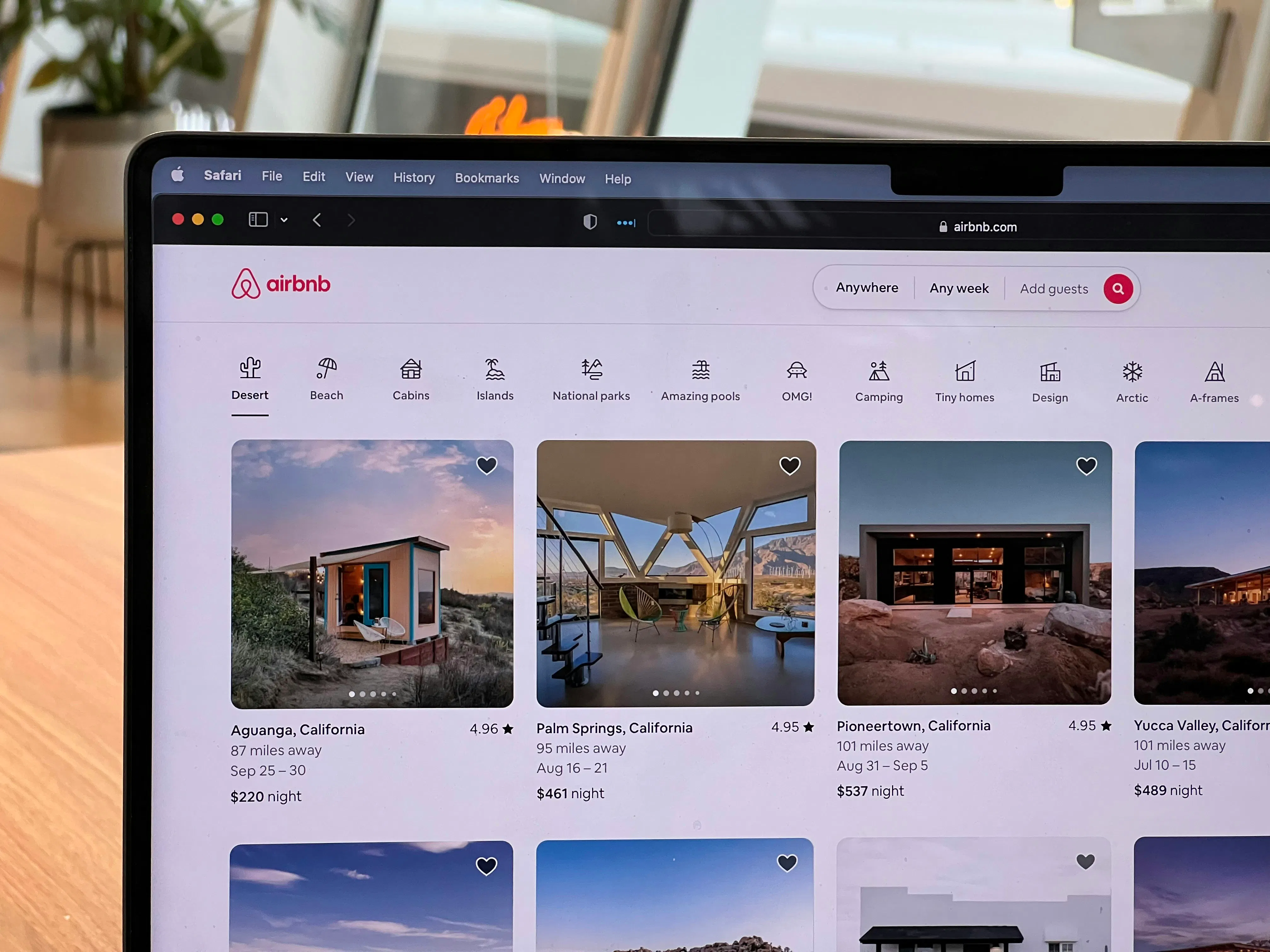
How Short-Stay Management Fees Actually Work
Most Melbourne CBD and Docklands short-stay managers charge a percentage of gross booking revenue — commonly 18% plus GST — rather than a flat monthly fee. On a one-bedroom apartment generating $3,500 per month in gross revenue, that equates to approximately $630 plus GST in management fees before other costs.
What that percentage includes varies considerably. Some operators bundle guest communication, dynamic pricing adjustments, and platform listing management into the base rate. Others charge separately for photography, listing setup, consumables restocking, and owner statement preparation. Cleaning is almost universally charged as a separate pass-through cost, typically ranging from $80 to $140 per clean for a one-bedroom and $120 to $180 for a two-bedroom in inner Melbourne, depending on the cleaning provider and turnaround window.
Investors comparing operators should calculate net return after all costs — management fee, cleaning, linen hire or replacement, consumables, and platform fees — not headline occupancy or gross revenue figures alone.
What Good Management Actually Includes
Dynamic pricing is the single highest-impact service a short-stay manager provides. Melbourne CBD nightly rates fluctuate substantially around major events at venues like the Melbourne Convention and Exhibition Centre, Rod Laver Arena, and Marvel Stadium, as well as school holiday periods and the AFL season. A manager actively adjusting rates in response to real-time demand can materially lift average nightly rate compared to a static or infrequently updated listing.
Beyond pricing, genuine management includes: responding to guest enquiries and issues outside business hours, coordinating same-day turnaround cleans to minimum short-term rental standards outlined by Consumer Affairs Victoria, managing check-in logistics (typically via lockbox or smart lock), restocking consumables, and flagging maintenance issues promptly. Managers who treat guest communication as a secondary task generate lower review scores, which compounds into lower search visibility on Airbnb and reduced booking conversion over time.
Photography and initial listing setup are one-off costs but have a lasting impact on click-through rate and perceived value. Professional photography for a one-bedroom CBD apartment typically runs $150 to $300 and should be treated as an asset, not an optional extra.
Occupancy and Revenue: CBD vs Docklands, 1-Bed vs 2-Bed
Melbourne CBD short-stay occupancy for well-managed listings typically runs between 70% and 85% annually, with Docklands performing slightly lower due to its distance from key dining and entertainment precincts, offset by stronger appeal to corporate and conference guests.
As an illustrative example: a professionally managed one-bedroom CBD apartment achieving 78% occupancy at an average nightly rate of $165 generates approximately $47,000 in annual gross revenue. After an 18% management fee, cleaning costs, and consumables, net owner revenue typically sits in the $36,000 to $39,000 range — materially above what an equivalent long-term rental in the same building would yield at current Melbourne CBD rental rates, though with higher variability and owner involvement in setup and compliance.
Two-bedroom apartments benefit more from professional management due to greater cleaning complexity and higher nightly rate variance. Dynamic pricing on a two-bedroom in Docklands can shift significantly during major Melbourne events and conferences — a spread that DIY management rarely captures consistently.
Council, OC, and Regulatory Considerations in Victoria
Short-stay rental in Melbourne CBD and Docklands is subject to Owners Corporation (OC) rules, which vary by building. Some OCs have moved to restrict or prohibit short-stay use following amendments under the Owners Corporations Act 2006 (Vic), which allows rules to regulate the use of lots and common property.
Additionally, Consumer Affairs Victoria guidance on short-stay accommodation outlines dispute processes and responsibilities between hosts, guests, and owners corporations. Before listing a property, investors should confirm the OC rules in their specific building — a competent manager should flag this before onboarding, not after.
Victoria does not currently impose a state-wide registration or cap system equivalent to those operating in New South Wales or Queensland, though council-level planning controls and overlays may still apply depending on the property location.
How Forge Approaches Short-Stay Management
Forge Real Estate manages short-stay properties in Melbourne CBD and Docklands with a structure built around transparent fee disclosure and active performance management. The management fee is 18% plus GST, covering guest communication, dynamic pricing, platform management, and owner reporting. Cleaning is coordinated through vetted providers and charged at cost with no markup. Photography, setup cleaning, and linen arrangements are discussed with owners upfront so there are no unexpected deductions from first statements. For investors evaluating whether short-stay management is appropriate for their specific property and building, Forge provides occupancy modelling and fee breakdowns before any management agreement is signed.
For investors planning longer-term usability of their property — including accommodating older guests or improving accessibility — it is also worth considering future home modifications and accessibility upgrades, which can broaden appeal and support compliance with evolving accommodation expectations.
Forge Real Estate Melbourne can help you blueprint your future by finding the perfect blue-chip property where your lifestyle needs and investment goals converge.
📞 Phone: (03) 91003633
✉️ Email: info@forgeproperty.com.au
🌐 Website: www.forgerealestate.com.au
We offer specialized consultation and can assist in both Mandarin and Cantonese.
Related Articles

Is a Buyer’s Advocate Really Worth $15,000 in Melbourne?
A $15,000 buyer’s advocate fee can make sense in Melbourne when it delivers better access, sharper negotiation, stronger due diligence and fewer costly mistakes. This guide explains when the service is worth paying for, and when buyers may be better off doing it themselves.

Is Melbourne Finally a Buyer’s Market in 2026? How to Use the Slowdown
Melbourne’s property market is finally tilting toward buyers in 2026. Prices are softening, listings are rising, and auction clearance rates are easing, giving home seekers more leverage. Learn where discounts are strongest and how to negotiate smarter on price, conditions and valuation shortfalls across apartments, houses and off-the-plan projects statewide.

Home Loan Pre-Approval in Melbourne: What Buyers Often Miss Before Making an Offer
Home loan pre-approval gives Melbourne buyers a guide to their borrowing power, but it isn’t a guaranteed loan. Lenders still need to assess the specific property and your updated finances. Learn how long pre-approval lasts, what can change, and the key checks to complete before making an offer or bidding at auction.